DIGGING THE DYKE: RADICAL ARCHAEOLOGY ON THE BANKS OF THE CLYDE
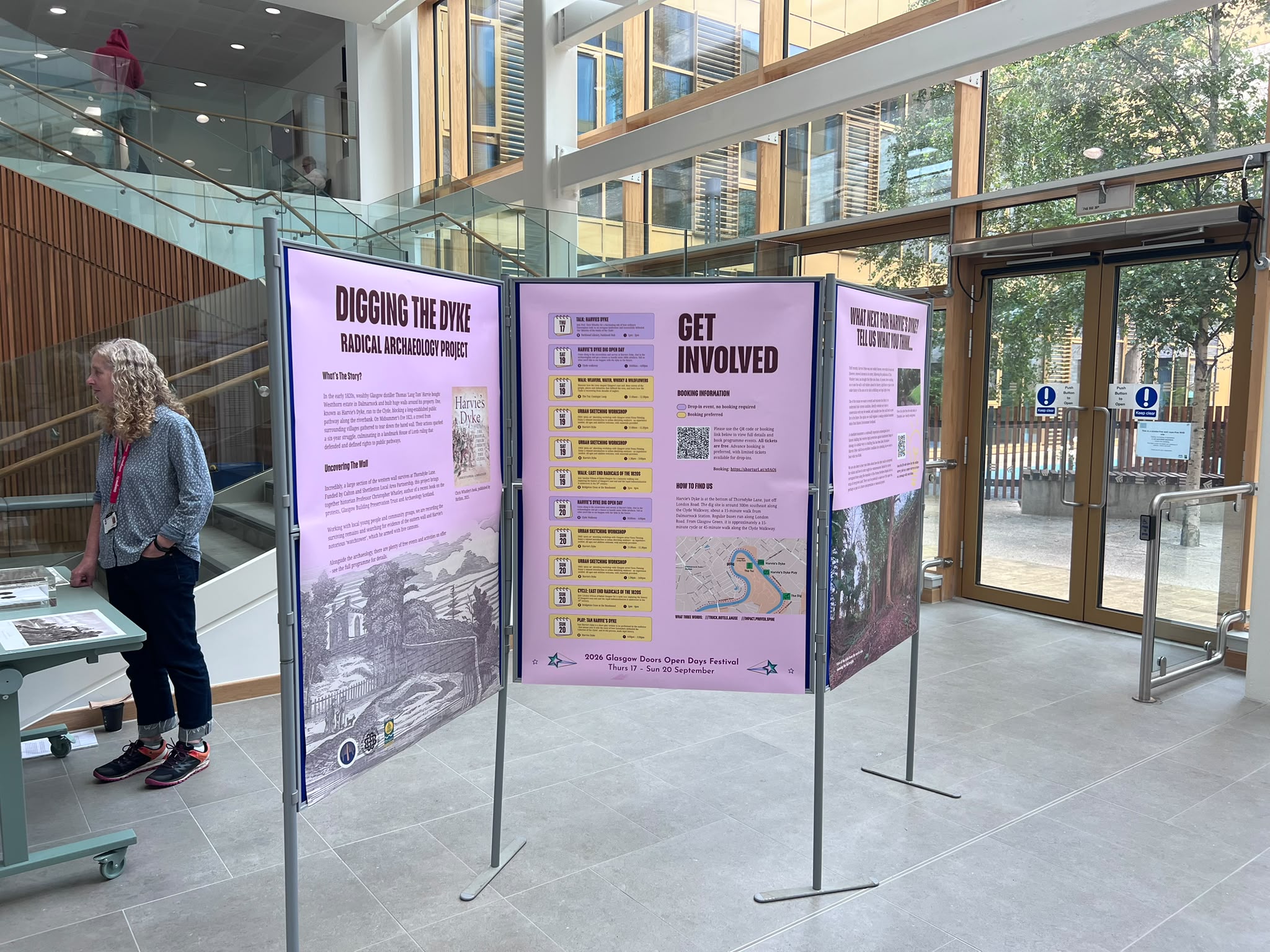
Digging The Dyke is a collaboration between Glasgow Building Preservation Trust, Archaeology Scotland and historian Prof Chris Whatley. With funding from Calton and Shettleston Local Area Partnership, we spent a week over Glasgow Doors Open Days Festival investigating and recording the remains of a little known, but profoundly significant event in the city’s history.
- Completion Date: 2026
- Project Cost: £5,500
Background
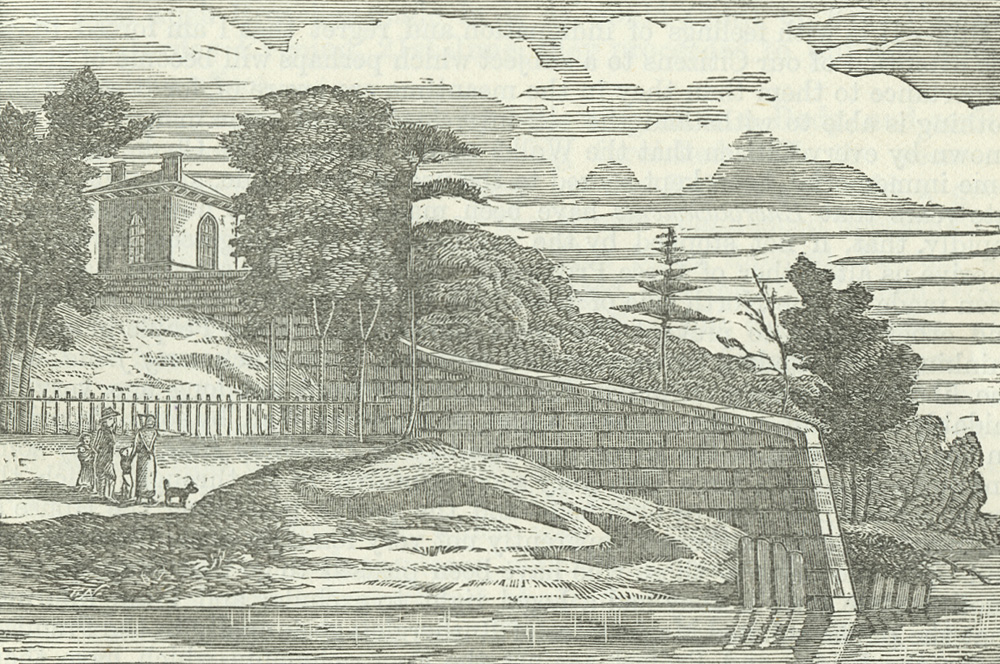
Sometimes truth is stranger than fiction. In the early 1820s, Thomas ‘Lang Tam’ Harvie, a flamboyant, wealthy Glasgow distiller, bought the estate of Westthorn in Dalmarnock. He soon set about building two huge walls on either side of his property, stretching down to The Clyde and blocking a long-established public pathway along the north bank of the river. The walls were robustly fortified with iron spikes, broken glass and even had its own watchtower, armed with small cannons.
On Midsummer’s Eve in 1823, a great crowd from the surrounding villages gathered to tear down the hated walls. Their actions sparked a six-year legal struggle that culminated in a landmark ruling in the House of Lords; one that defended and defined our rights to public pathways. Harvie, by then a pariah figure, paid a heavy price. His whisky was boycotted, his enormous fortune was consumed by legal bills, and he was left bankrupt. He died a pauper a decade later.
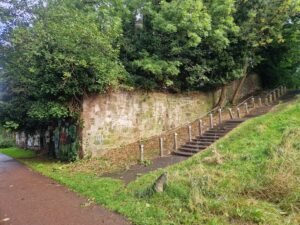
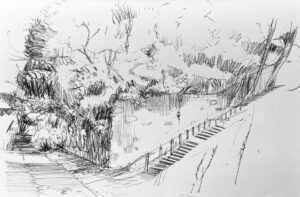
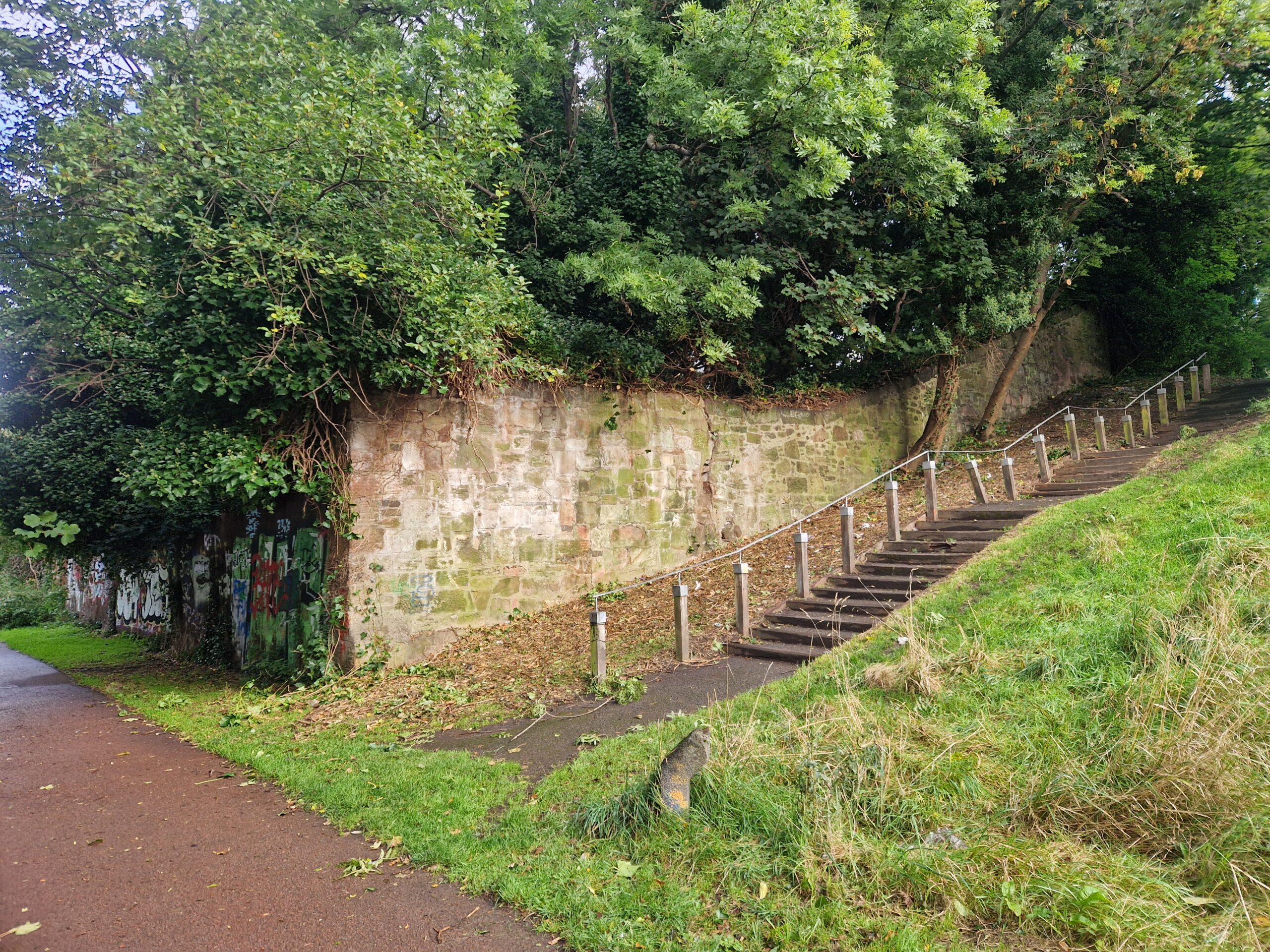
Remarkably, one of the dykes still survives at Thorndyke Lane in the east end of the city. Ivy-covered and largely forgotten, it remains a living landmark to the power of community action and to the tenacity and courage of those who stood up to Harvie.
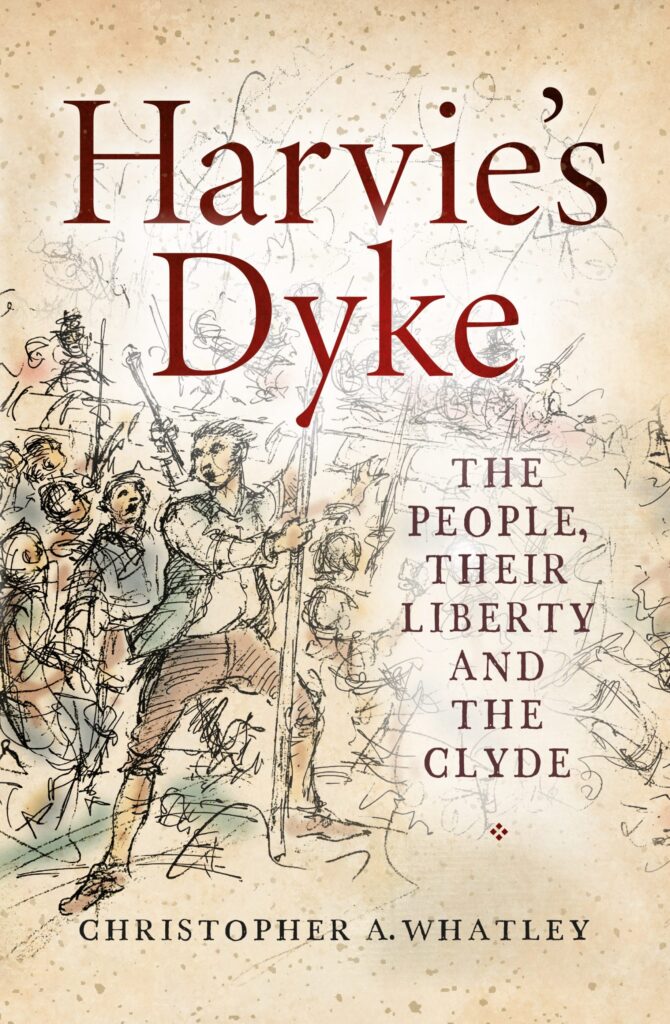
In 2025, Professor Chris Whatley published a comprehensive history of the Harvie’s Dyke case, Harvie’s Dyke – The People, their Liberty and the Clyde, placing it within the wider story of Scotland’s tradition of radicalism and popular protest and its lasting legacy as the foundation of our national public rights of way legislation.
Digging The Dyke
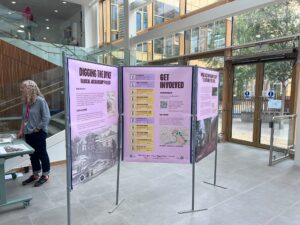
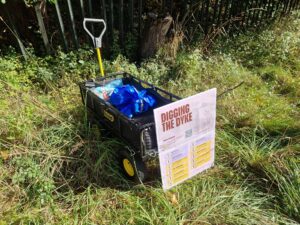
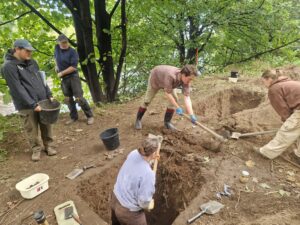
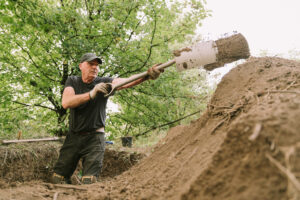
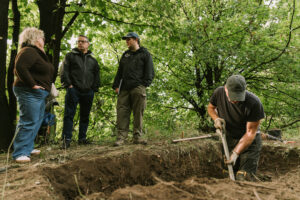
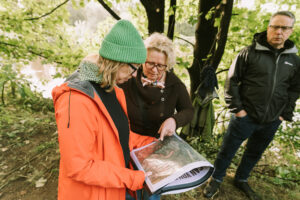
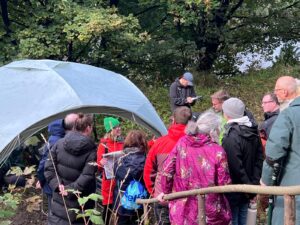
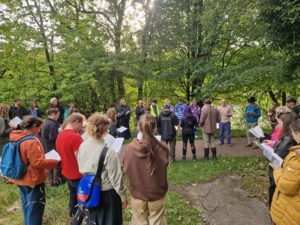
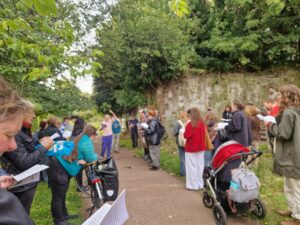
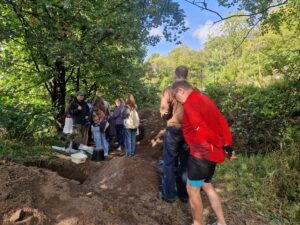
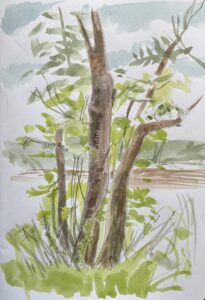
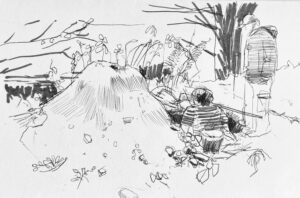
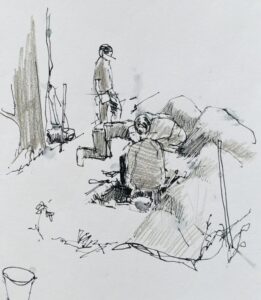
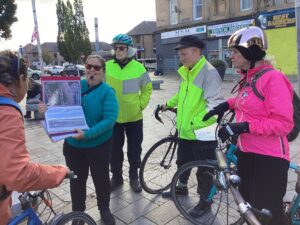
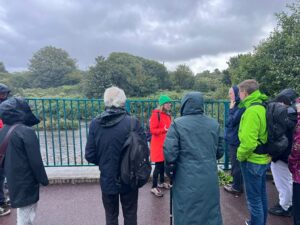
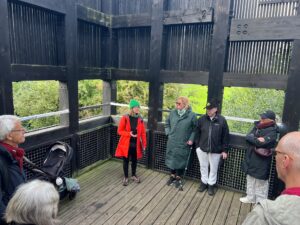
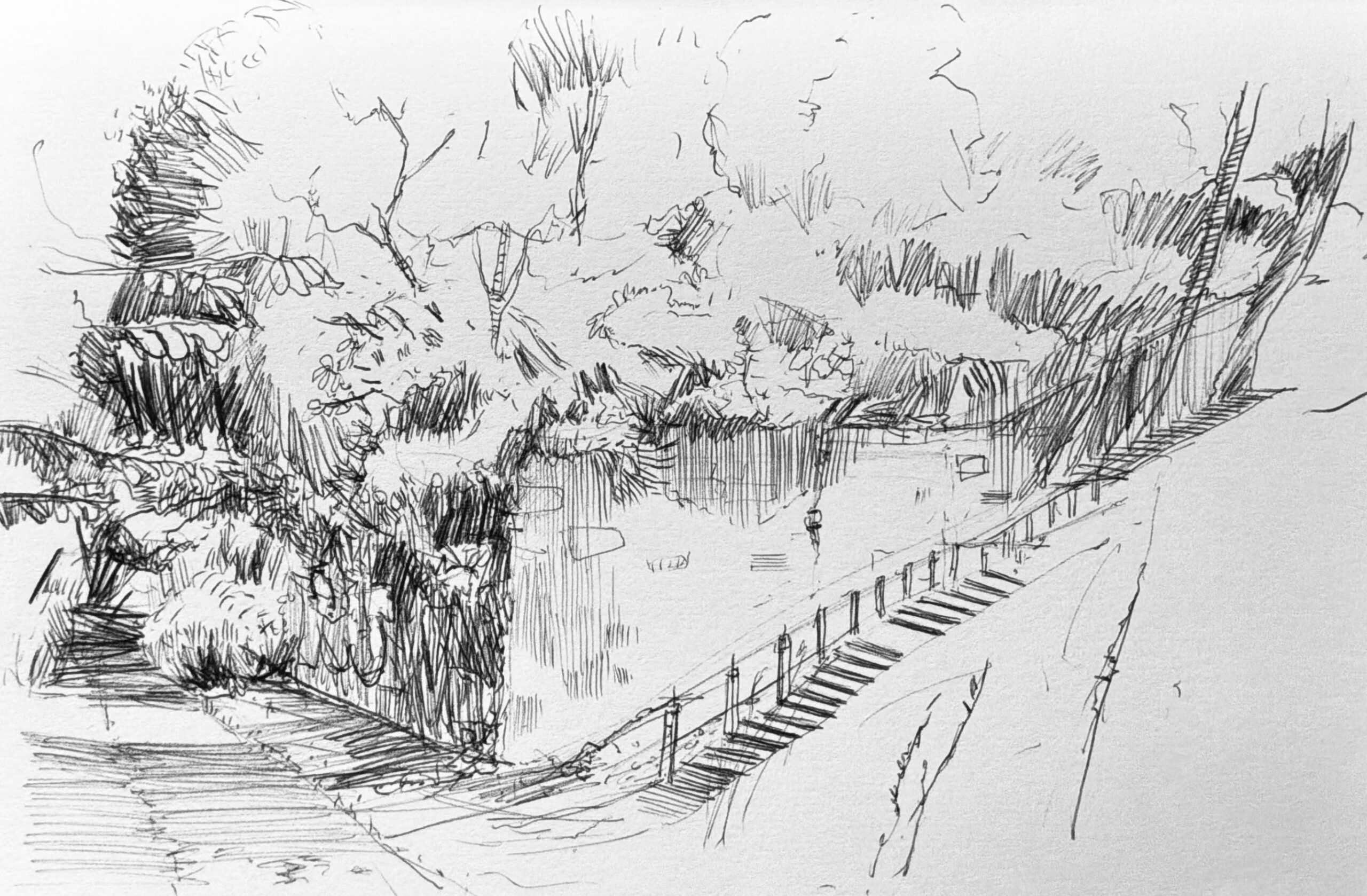
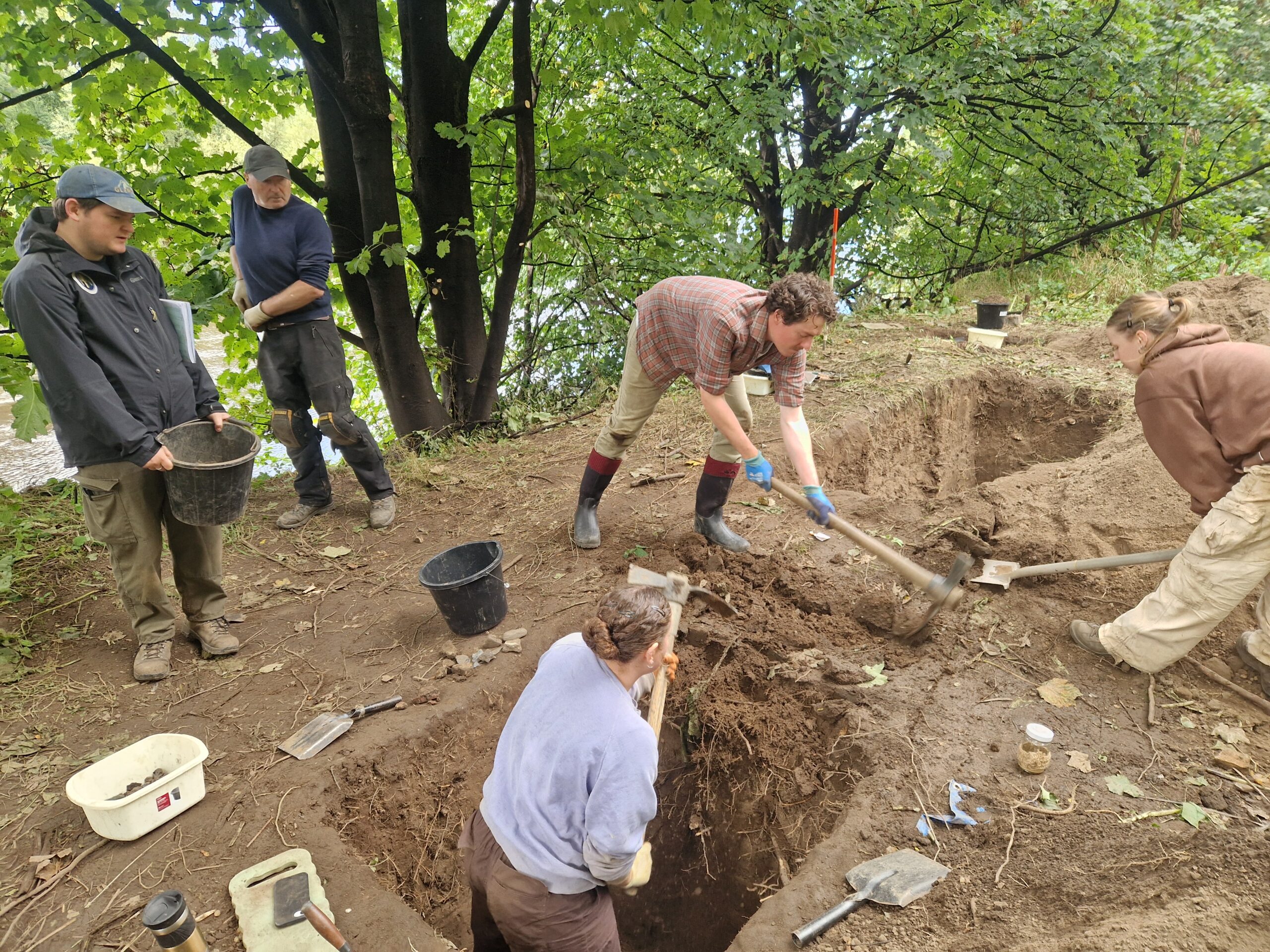
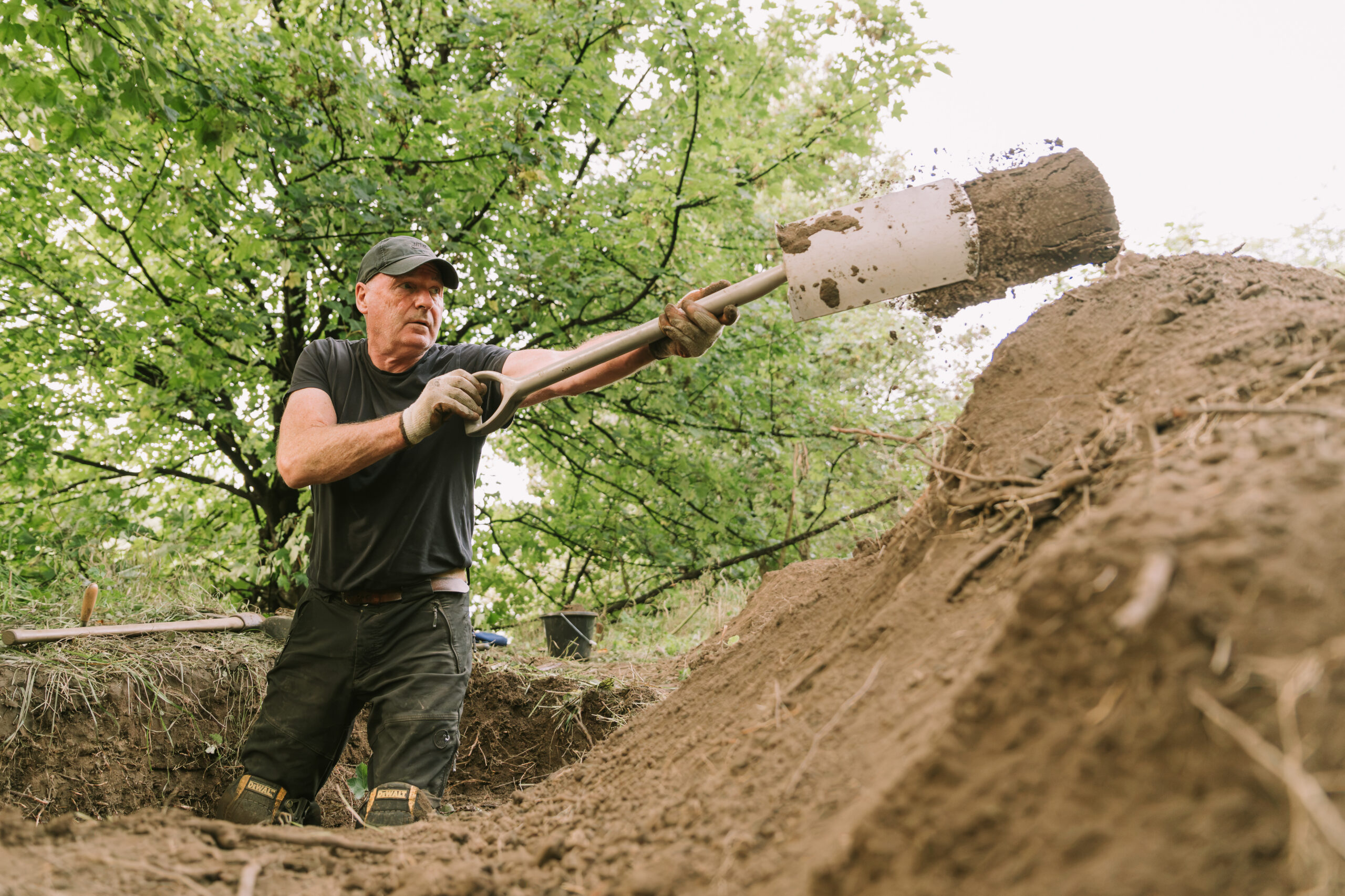
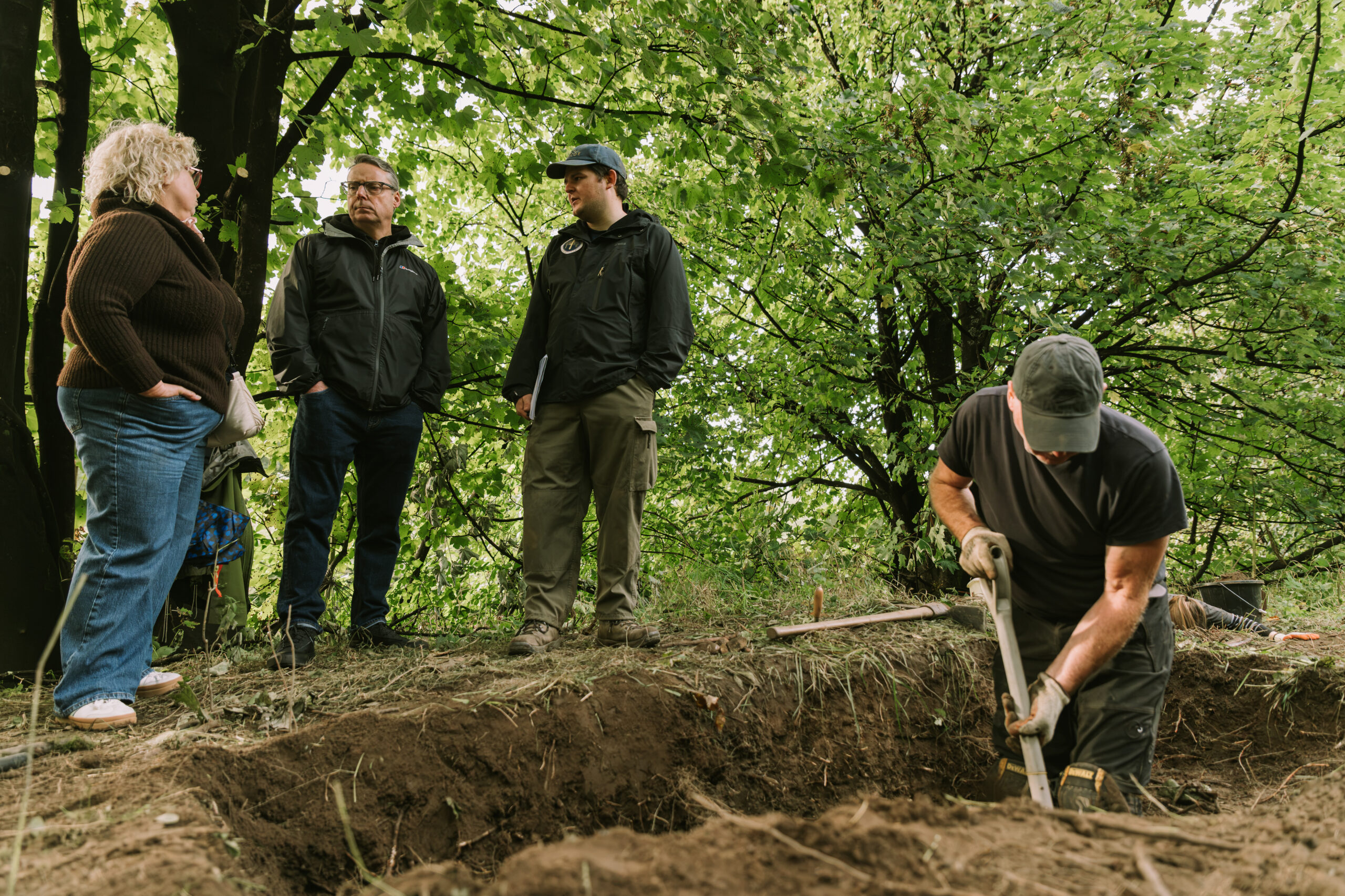
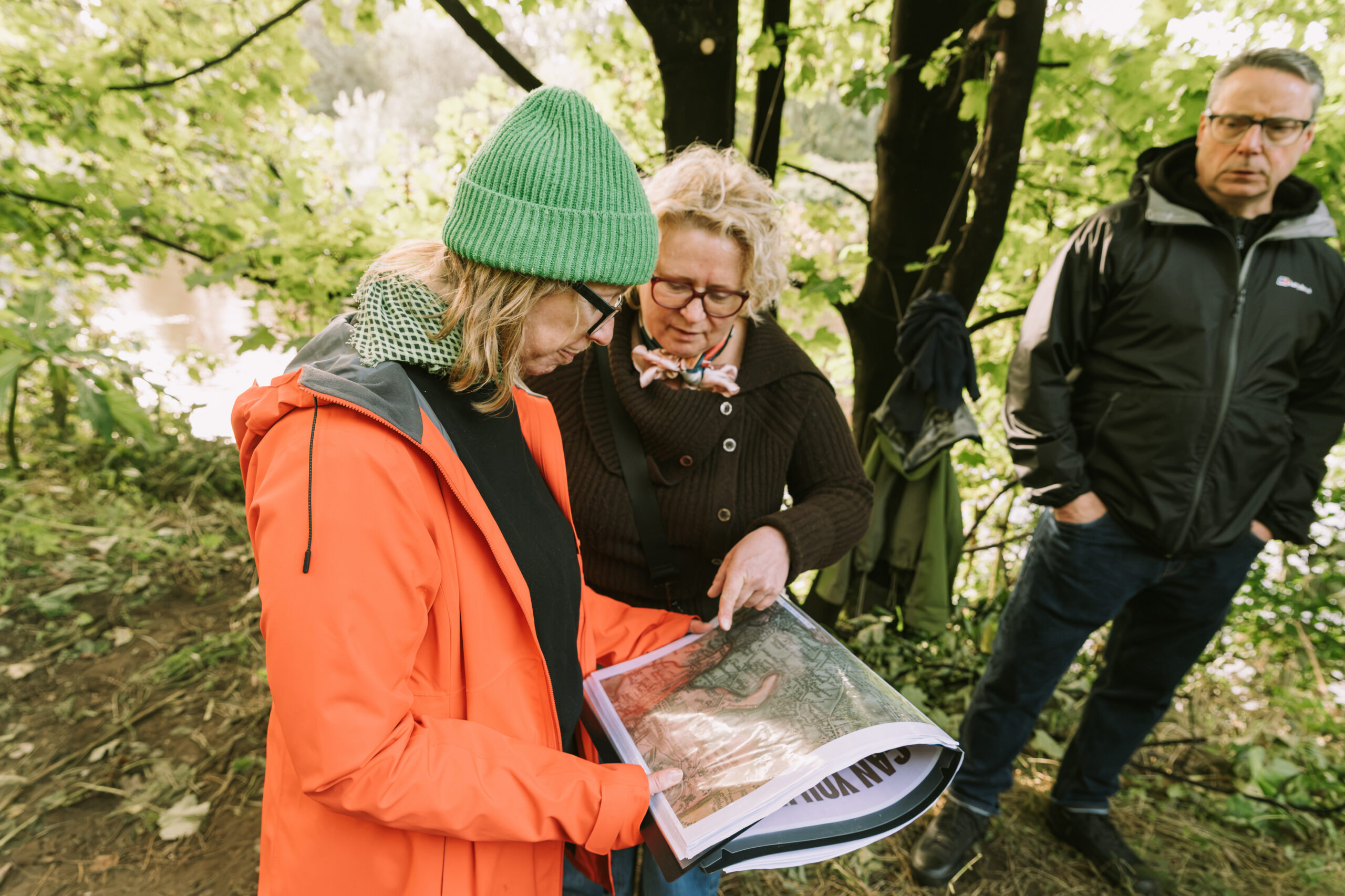
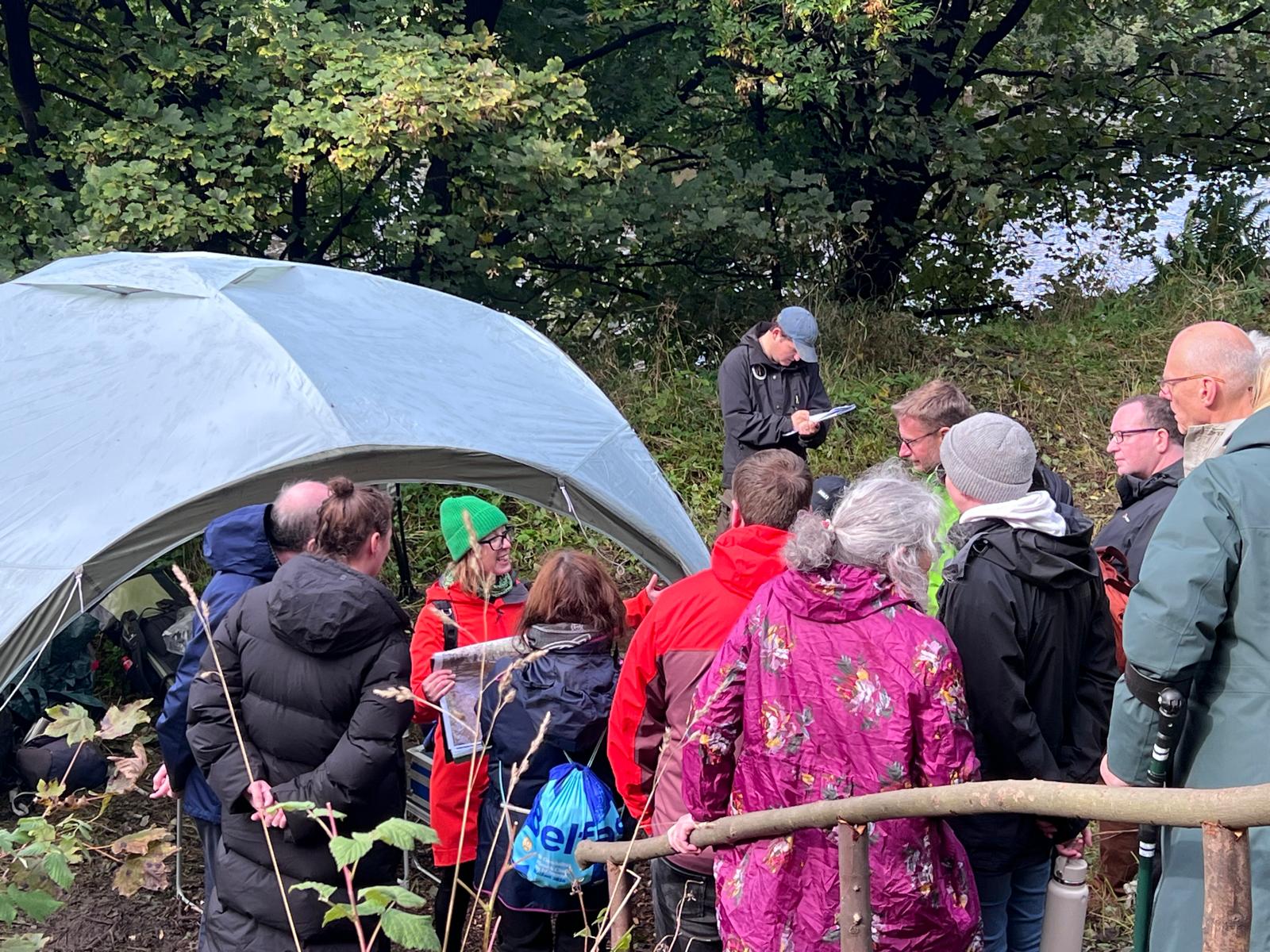
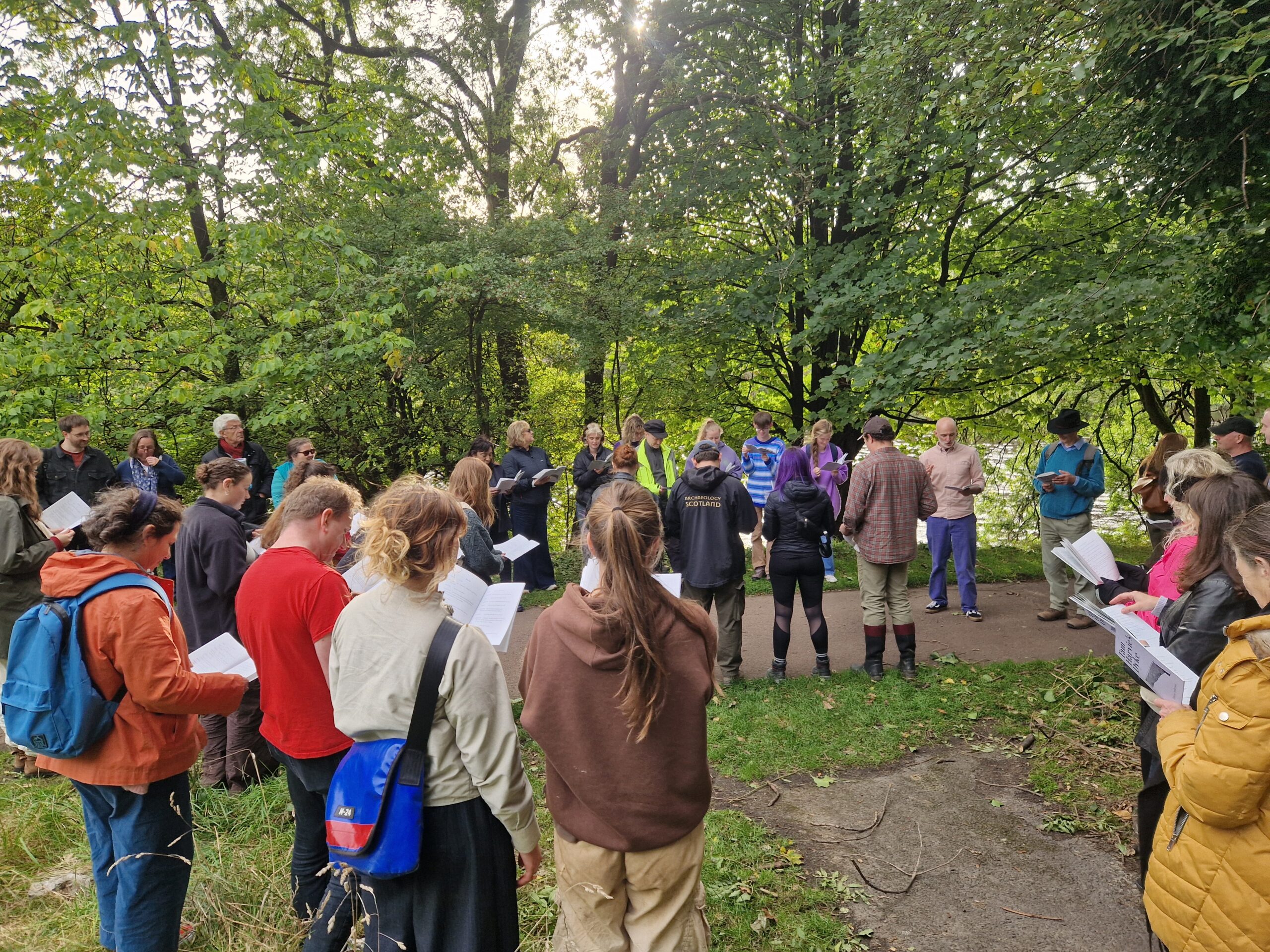
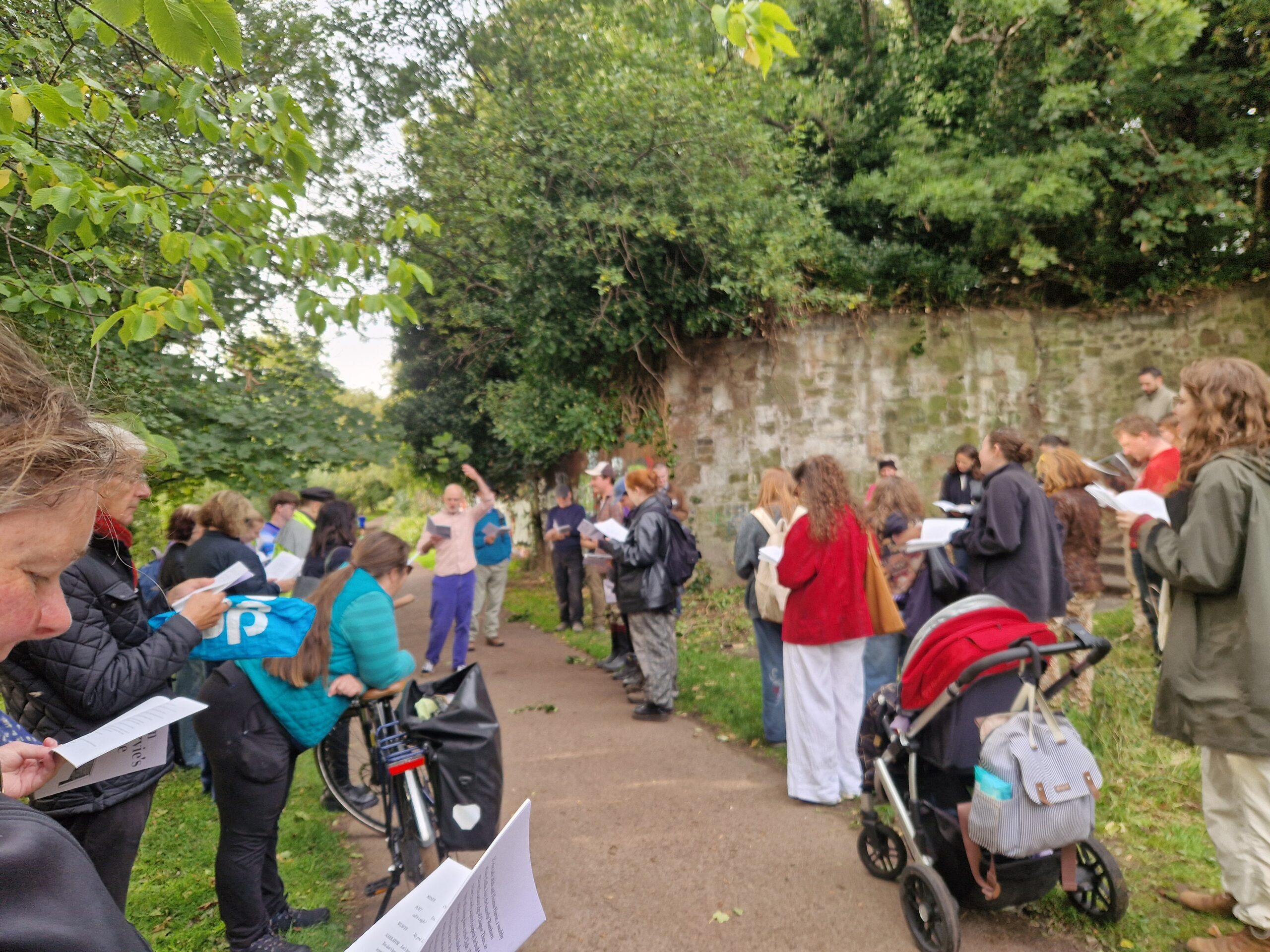
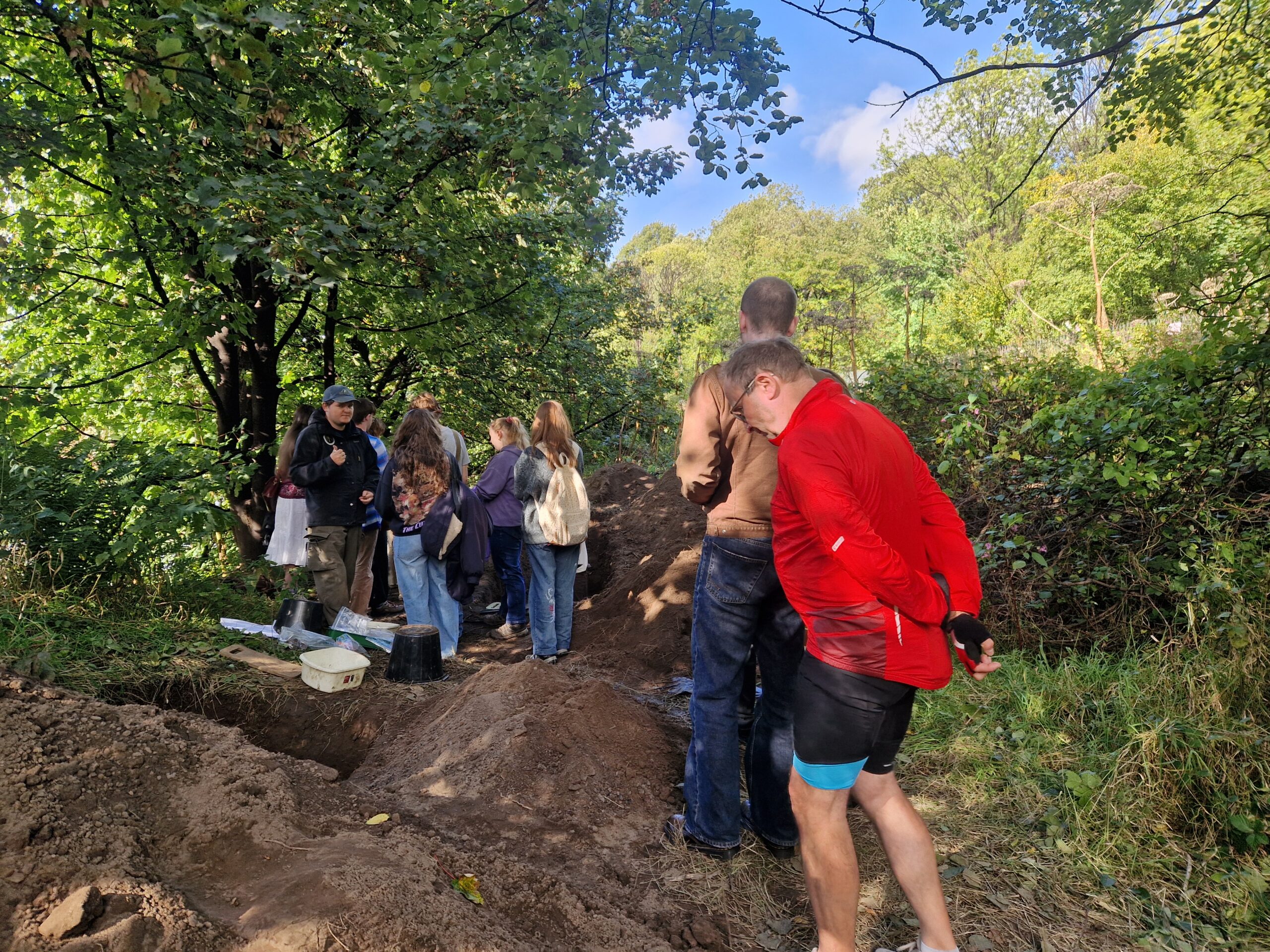
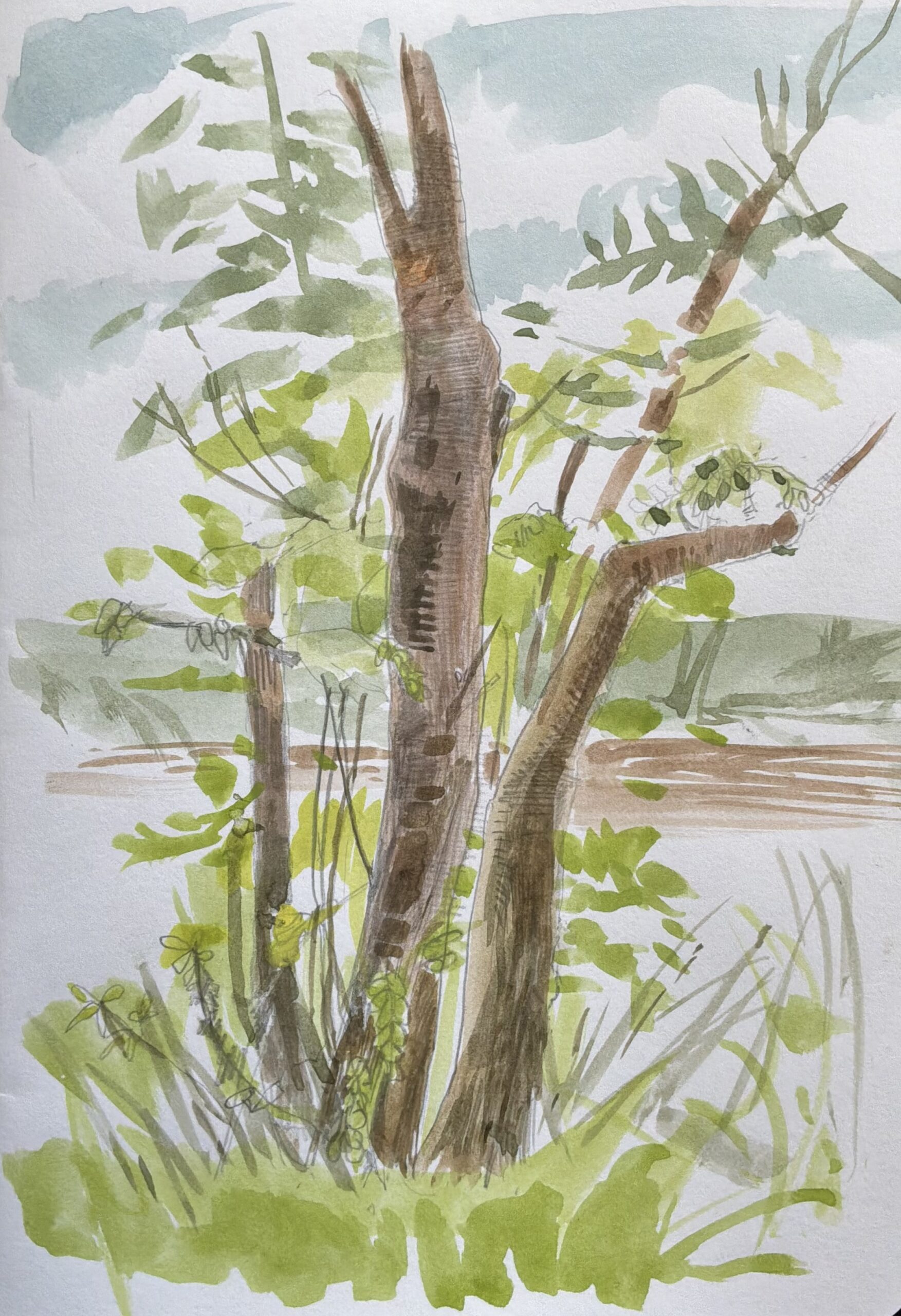
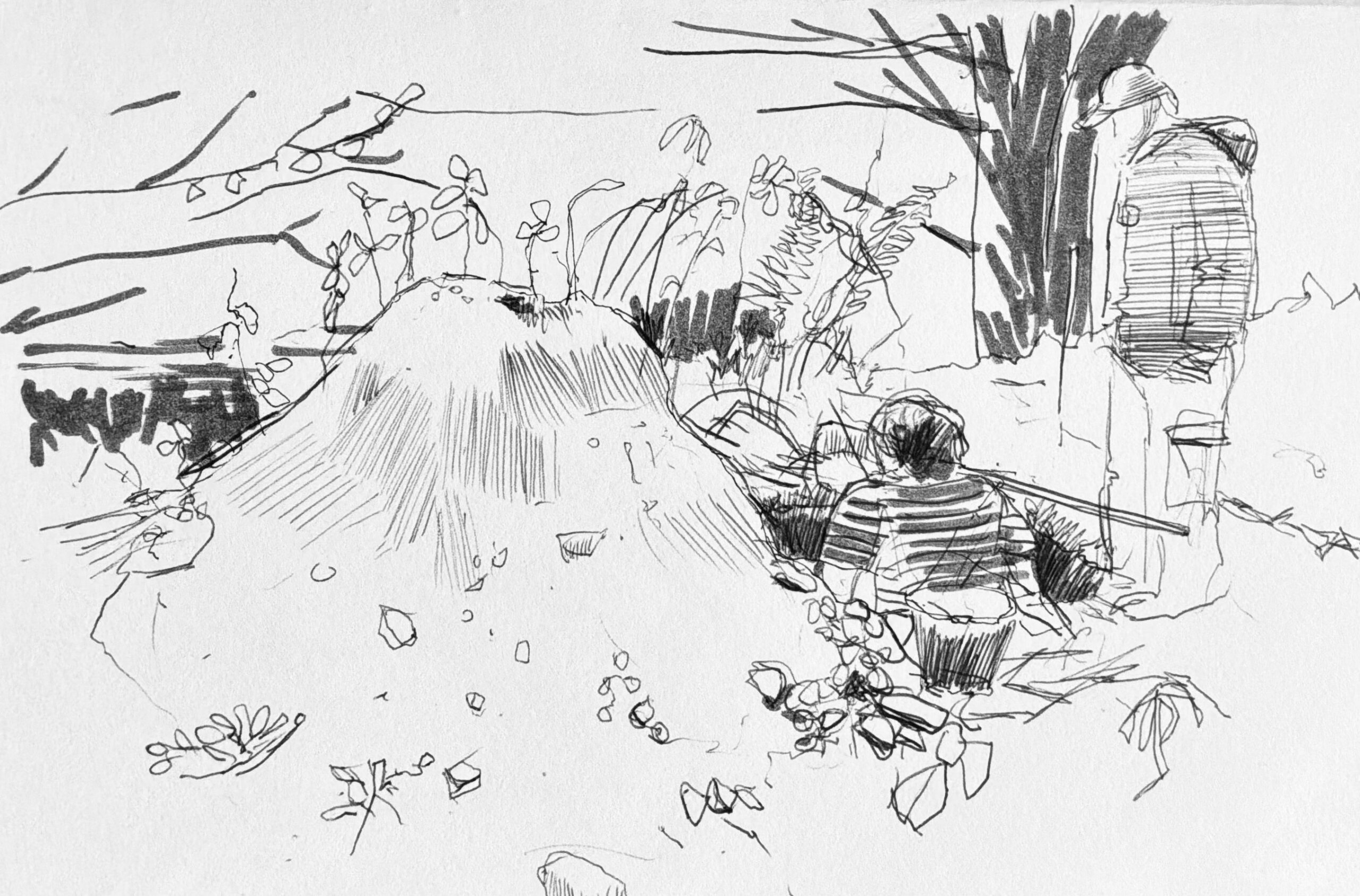
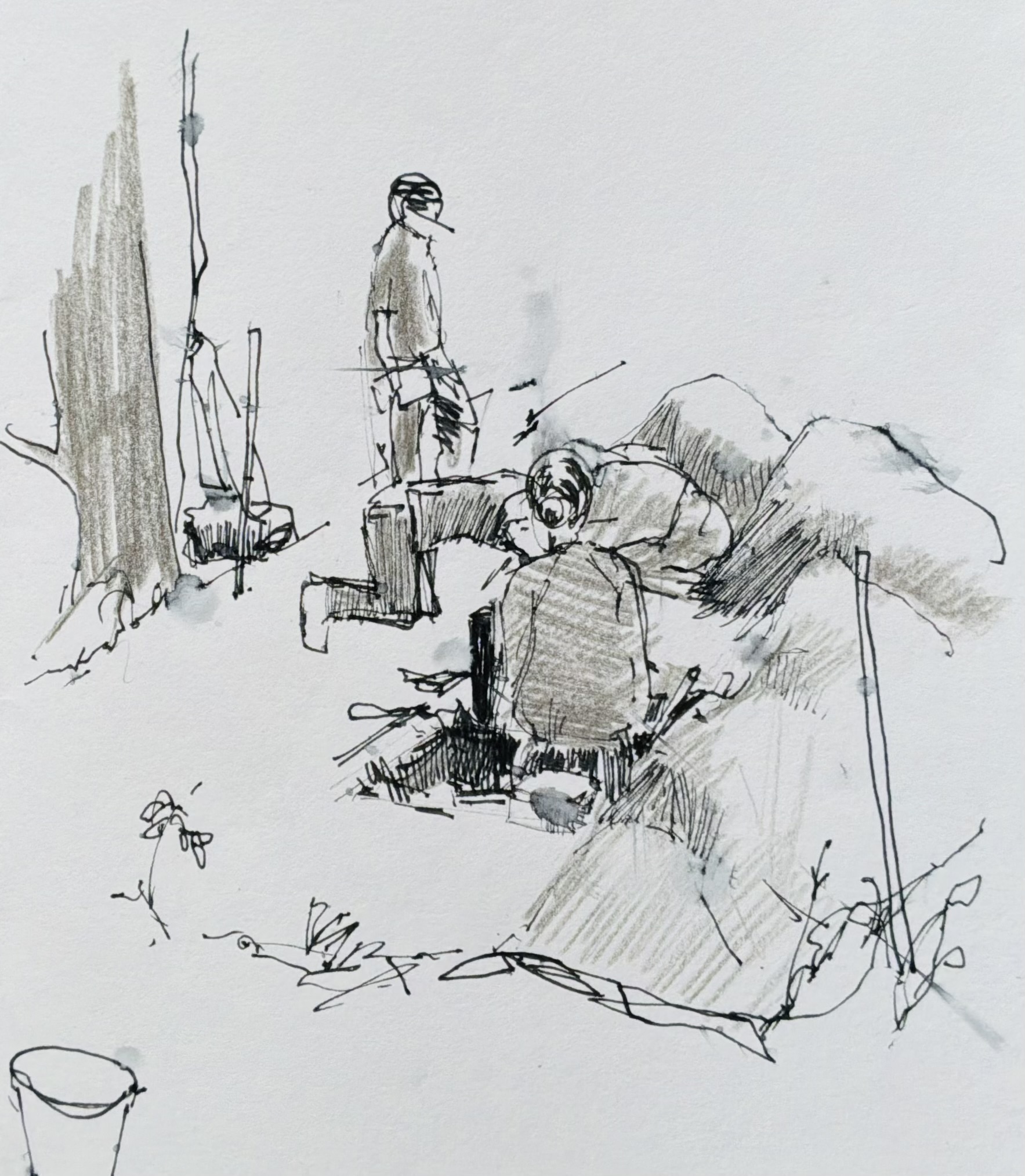
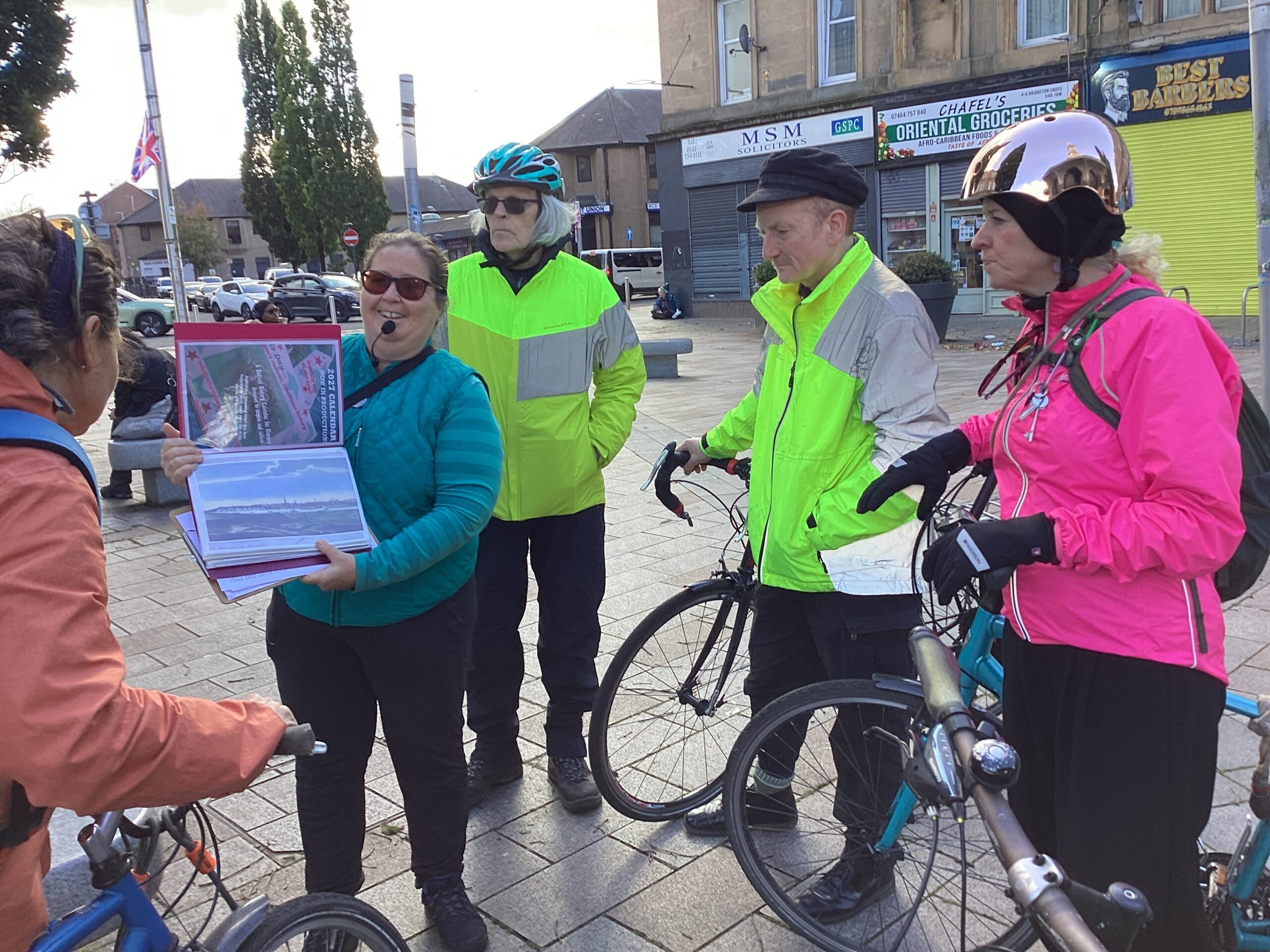
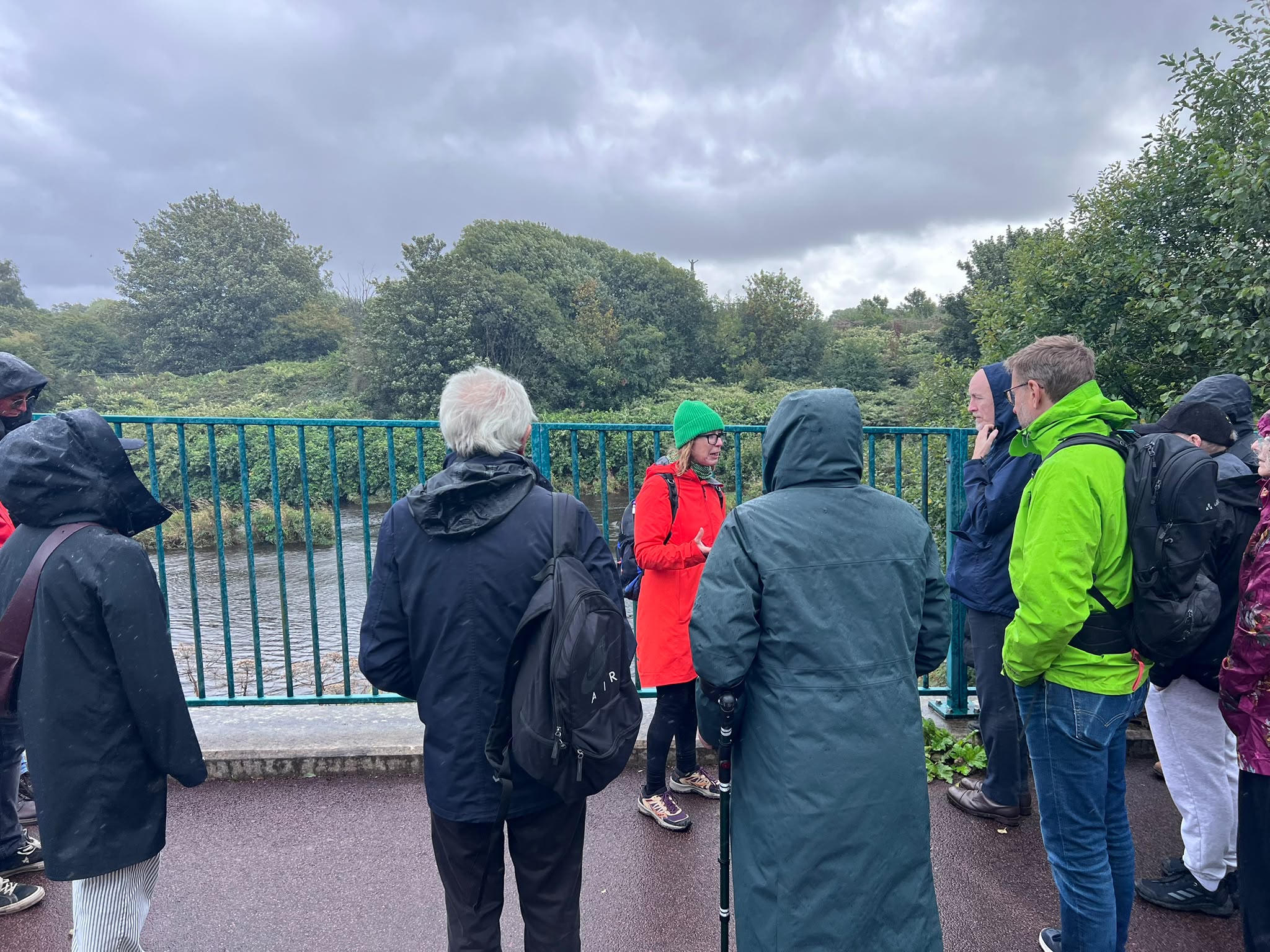
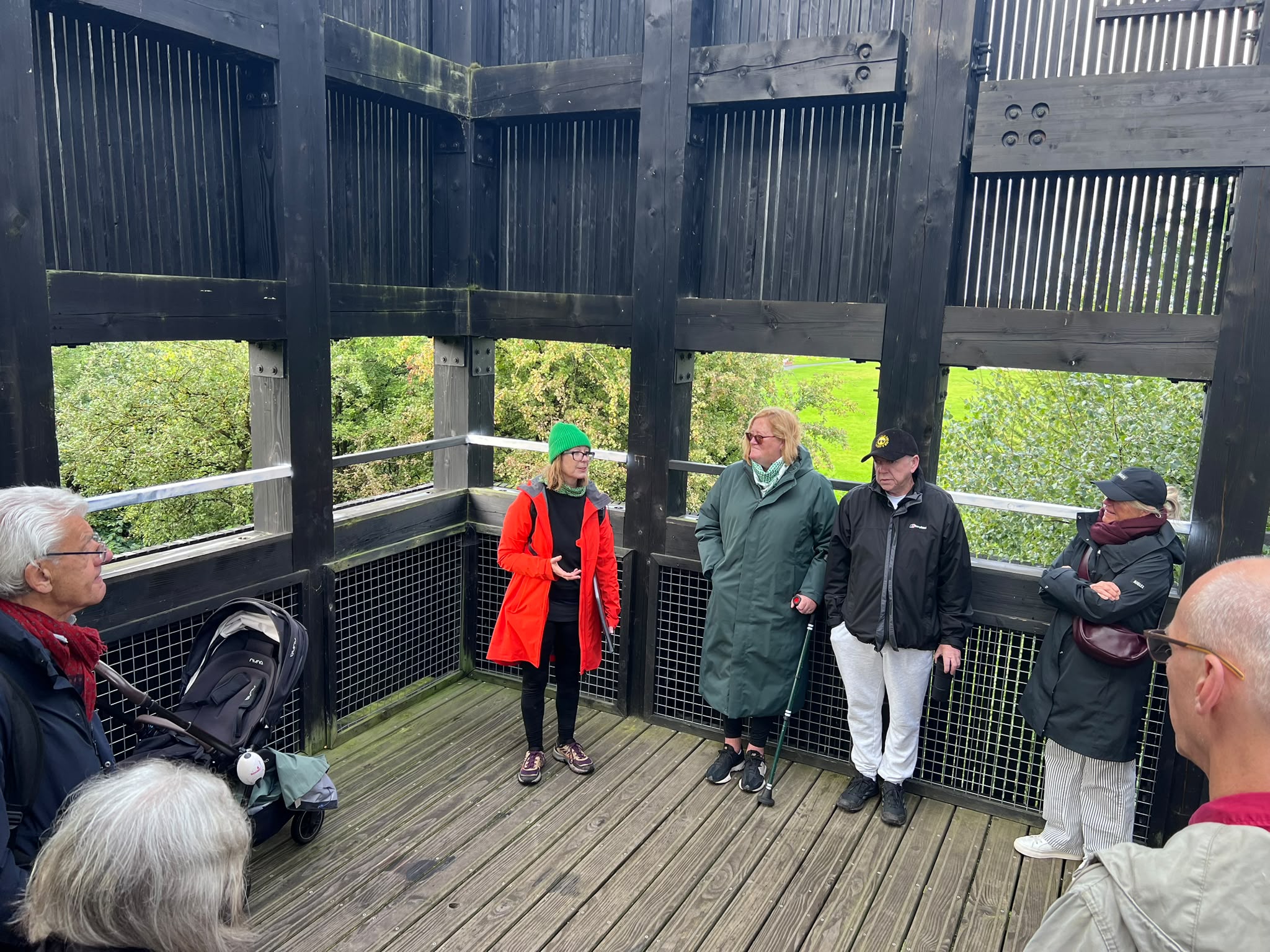
For Glasgow Doors Open Days Festival 2026, GBPT partnered with Archaeology Scotland to deliver a pilot project focused on investigating the material remains of the dyke and raising awareness of the story of the protests. Working with students from local schools through Developing the Young Workforce, we recorded the surviving wall and inserted several test pits (small trenches) to investigate whether there were any surviving remains below ground of the demolished wall. Over the weekend, more than 400 people visited the excavations and participated in the mini-festival of walks, talks, sketching classes and even a specially written participatory play about the Harvie’s Dyke protest.
The burning question as to whether our theory that the remains of the long-demolished eastern dyke still survive below the ground was also answered. Digging deep (literally) we didn’t find the wall, however, on the final day of the excavations, we revealed substantial masonry, a floor surface and broken slates which we believe to be the remains of Harvie’s fortified summerhouse.
This confirmed we were investigating in the right location. It has also provided valuable insights into the environmental history of the River Clyde. The only known contemporary illustration shows the summerhouse standing at the top of the riverbank, well above the riverside pathway. The modern river edge is now much closer to the site suggesting that the 1800s pathway may now be submerged, which gives us an indication of how the tidal weir and other factors have impacted on river levels over the past 200 years.
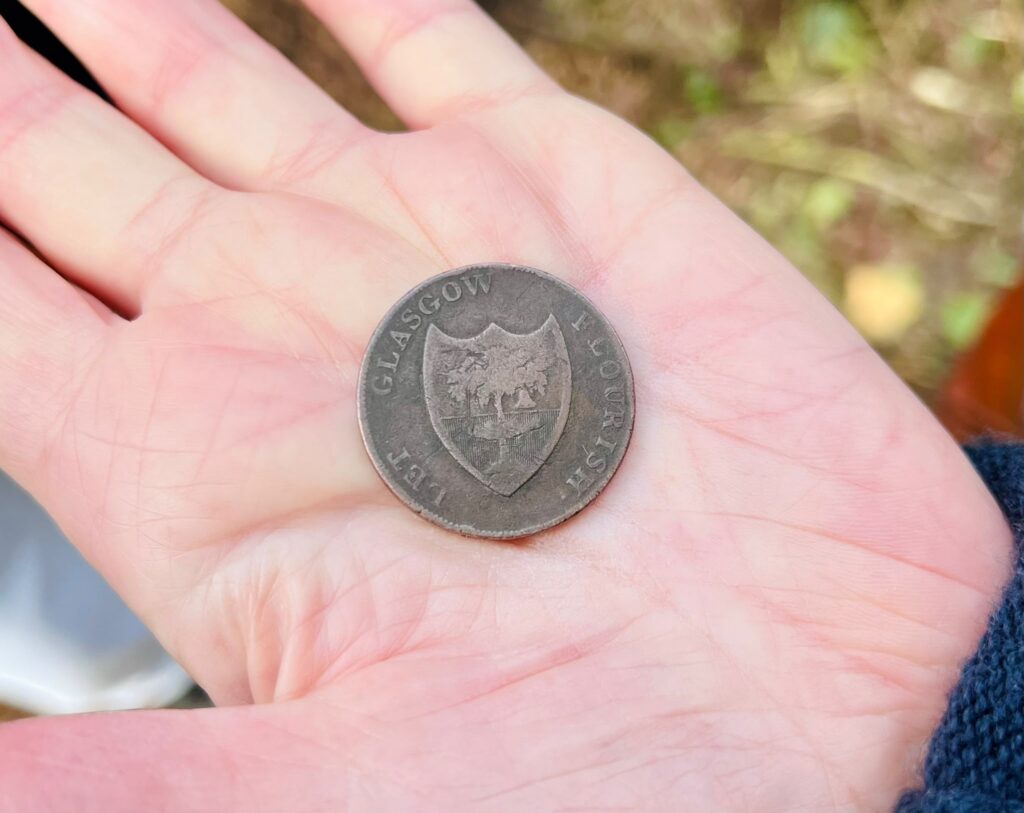
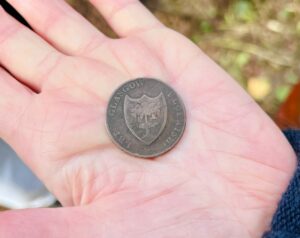
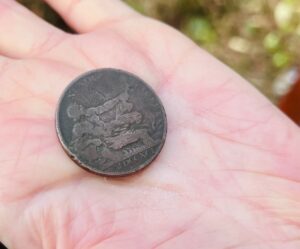
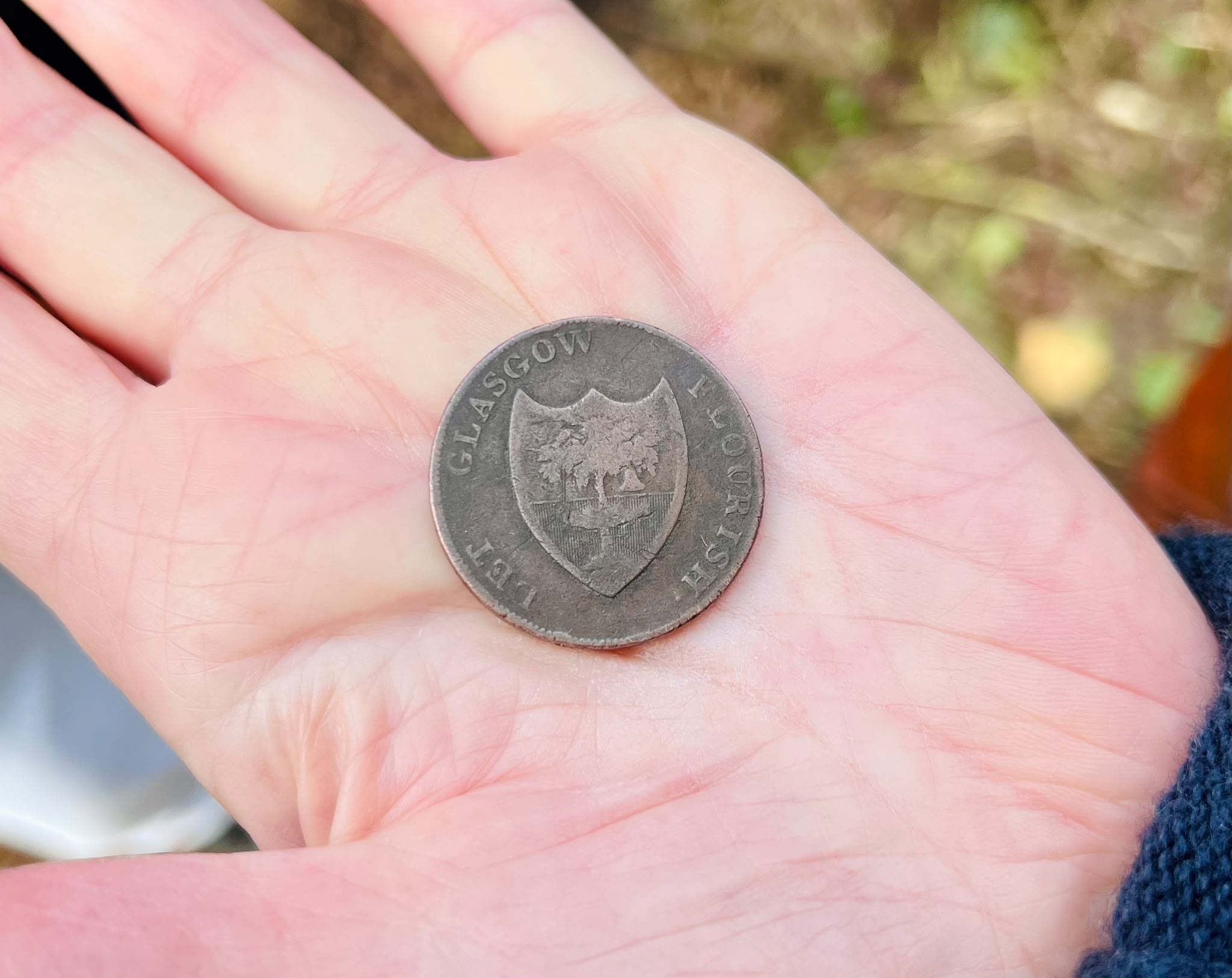
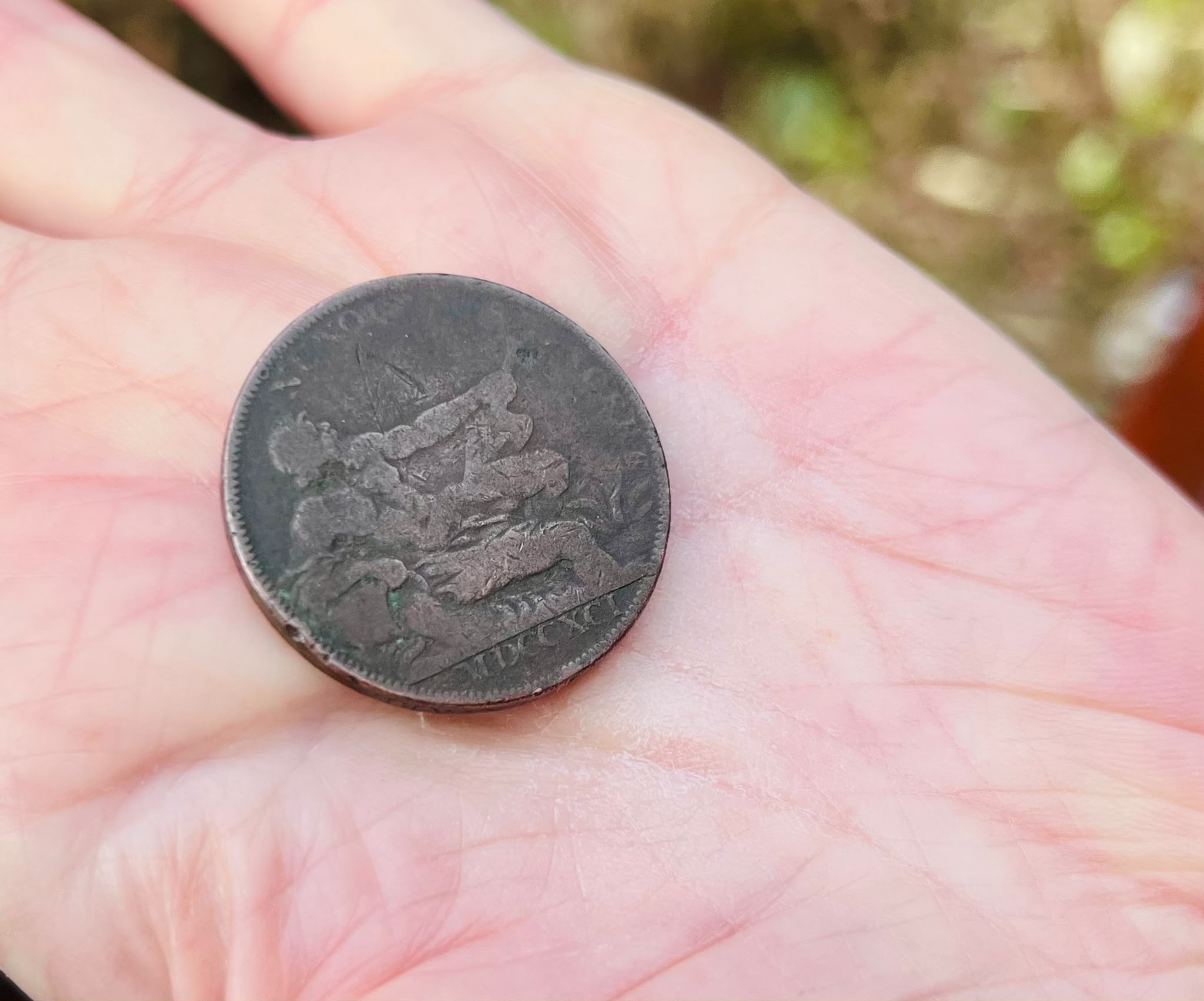
We also recovered a trade token from 1791 for ‘Gilbert Shearers’ cloth emporium on the Trongate. These coins were privately minted and used in lieu of small change at the end of the 1700s. It featured a river god on one side and the city’s motto (and the clarion call of the Harvie’s Dyke protestors) ‘Let Glasgow Flourish’ on the reverse. It may even have been deliberately deposited over the ruins of Harvie’s detested dyke.
Over the next few months, we’ll be writing up our reports and thinking ahead to future investigations and exploring funding options. Watch this space….
Project Team
- Leads: Heritage Engagement Manager GBPT, CVARF Engagement Officer at Archaeology Scotland, Prof Chris Whatley.
- Delivery Partners: Glasgow City Council, Glasgow Life (Museums & Libraries), Glasgow Health & Social Care Partnership (Parkhead Hub), Developing The Young Workforce, Rebel Glasgow, Fiona Fleming, Davey Anderson.
Funders
- Calton and Shettleston Local Area Partnerships (Glasgow City Council)
Special Thanks
- Katie, Kirsty, Astrid and Neil
- University of Glasgow Archaeology Department
- The NRS team at GCC
- Beam Suntory
- Dewars Bacardi
- Glasgow Humane Society